
Top Waterproofing Products To Protect Your Home Efficiently
Explore leading waterproofing solutions designed to safeguard structures from water damage and enhance durability.
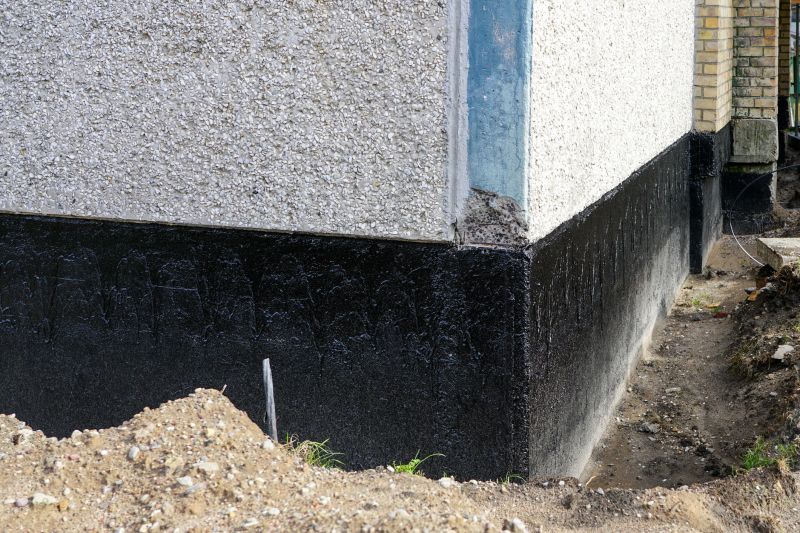 In the realm of protecting structures and surfaces from water intrusion, a wide array of waterproofing products are available to suit various needs. These products are essential for both residential and commercial applications, including basements, roofs, foundations, and outdoor surfaces. Proper waterproofing can help prevent water damage, mold growth, and structural deterioration, making it a vital component of property maintenance. When selecting waterproofing solutions, it is important to consider the specific area to be protected, the type of surface, and the environmental conditions.
Top Overall Option
Liquid Waterproofing Membrane
A versatile liquid membrane offers seamless coverage and adaptability for various surfaces, making it suitable for both interior and exterior applications. Its ease of application and ability to conform to complex shapes make it a popular choice among professionals and DIY enthusiasts alike. When properly applied, it provides a durable, flexible barrier against water intrusion, helping to protect foundations, roofs, and walls over time.
Types of Products For Waterproofings
Bituminous Coatings
Thick, tar-like coatings ideal for roofing and foundation sealing, providing a strong water barrier.
Liquid Rubber Membranes
Flexible, seamless coatings suitable for roofs, basements, and ponds, offering durability and ease of application.
Polyurethane Waterproof Coatings
High-performance coatings often used on rooftops and decks for their elasticity and weather resistance.
Cementitious Waterproofing
Waterproofing solutions that incorporate cement, ideal for below-grade structures and tunnels.
Sheet Membranes
Pre-formed sheets made of rubber or plastic, used for large flat surfaces like roofs and foundations.
Bitumen Sheets
Self-adhesive or torch-applied sheets for waterproofing roofs and basements.
Sealants and Caulks
Flexible sealants used to fill gaps and cracks in walls, windows, and joints to prevent water ingress.
Hydrophobic Paints
Specialized paints that repel water, often used on exterior walls and masonry.
Spray-On Waterproofing
Sprayable coatings that provide an even, seamless waterproof barrier on various surfaces.
Epoxy Sealers
Resin-based sealers offering strong adhesion and chemical resistance for concrete surfaces.
Polyurea Coatings
Fast-curing, highly flexible coatings suitable for industrial and commercial waterproofing needs.
Crystalline Waterproofing
Chemical treatments that penetrate concrete to form waterproof crystals within the material.
Rubberized Asphalt
Flexible asphalt coatings used for roofing and foundation waterproofing.
Acrylic Waterproof Coatings
Water-based coatings that are easy to apply and suitable for various exterior surfaces.
Vapor Barriers
Materials designed to prevent moisture vapor transmission through walls and floors.
Popular Choices
Popular for their seamless, flexible barrier on roofs and basements, easy to apply with brushes or rollers.
Widely used for foundation and roof waterproofing due to their proven performance and affordability.
Favored for their elasticity and weather resistance on flat roofs and decks.
Commonly used in below-grade applications for their ease of application and compatibility with concrete.
Convenient for quick installation on large areas such as roofs and basements.
Effective for sealing joints, cracks, and gaps in walls and around fixtures.
Popular for exterior masonry to provide water resistance and enhance surface longevity.
Chosen for their ability to conform to complex shapes and provide seamless coverage.
Common in industrial settings for their durability and chemical resistance.
Used in industrial and commercial applications for rapid curing and high flexibility.
Growing in popularity for their ability to chemically penetrate concrete and form permanent waterproof barriers.
Often selected for their flexibility and weatherproofing qualities on large surfaces.
Commonly used for sealing around windows, doors, and joints in exterior applications.
Different types of waterproofing products serve different purposes. Some are designed for interior use, providing a moisture barrier within walls or floors, while others are formulated for exterior applications, sealing surfaces from rain, groundwater, and weather exposure. Many products are formulated to be flexible, durable, and resistant to cracking over time, ensuring long-lasting protection. Proper application techniques and surface preparation are also crucial to maximize the effectiveness of these products.
Choosing the right waterproofing product involves understanding the specific requirements of the project. Factors such as surface material, exposure level, and the presence of existing damage can influence the best choice. For instance, liquid membranes may be suitable for irregular surfaces, whereas sheet membranes might be preferred for large, flat areas. Additionally, some products offer added benefits like UV resistance or ease of application, which can be advantageous depending on the project scope. Consulting with professionals or conducting thorough research can help identify the most appropriate waterproofing solution for each situation.
In Hendersonville, TN, where weather conditions can vary, selecting reliable waterproofing products becomes especially important. Properly applied, these products can provide peace of mind by safeguarding structures against water-related issues. Regular inspection and maintenance also play a key role in ensuring long-term effectiveness, helping property owners preserve the integrity of their investments over time.
Key Buying Considerations
- Identify whether the application is interior or exterior as different products suit different environments.
- Assess the surface material to determine compatibility with the waterproofing product.
- Consider the level of exposure to water, weather, and temperature fluctuations.
- Evaluate the flexibility of the product to accommodate movement or settling of structures.
- Check for ease of application, including drying time and surface preparation requirements.
- Determine if the product provides a seamless barrier or requires joints and seams to be sealed separately.
- Review the durability and lifespan expectations based on the product specifications.
- Consider whether additional protective layers, such as UV resistance or weatherproof coatings, are needed.
- Assess the ease of maintenance and reapplication over time.
- Ensure the product is suitable for the specific surface, whether concrete, wood, metal, or masonry.
- Look into compatibility with existing waterproofing solutions if retrofitting or repairing.
- Verify the safety and VOC content if working in enclosed or sensitive environments.
- Determine if the product is suitable for the size and scope of your project.
- Review manufacturer instructions and technical support options for installation guidance.
- Consider cost-effectiveness relative to the expected lifespan and performance.